 Corvallis/Salem/Eugene: (541) 250-6324
 info@calsmovinghelp.com


If you just accepted a faculty appointment at the University of Oregon, matched into a PeaceHealth Sacred Heart residency, or took a research role at the Knight Campus, you’re about to become part of a very specific Eugene migration: the academic and medical professionals who fill the city every summer in time for fall term and the start of the clinical year. Eugene is a small city with an outsized reputation — Track Town USA, home of Oregon Ducks football Saturdays, host of the 2022 World Athletics Championships, and the center of a research and healthcare economy that stretches from campus to PeaceHealth RiverBend across the river in Springfield. Moving here works differently than moving to Portland. The rental market compresses around academic deadlines, the best neighborhoods fill by late July, and movers book out three to six weeks ahead of the September student surge.
This guide is for people relocating to Eugene specifically for a University of Oregon appointment, a PeaceHealth or Oregon Medical Group role, or a research position at one of the growing Knight Campus and Phil and Penny Knight Campus for Accelerating Scientific Impact labs. We’ll cover academic-calendar timing, the neighborhoods that work for faculty versus grad students versus medical staff, realistic housing costs, and the local moving logistics that will save you a stressful August. At Cal’s Moving & Storage, we move new UO hires, visiting scholars, and PeaceHealth clinicians into Eugene every year, and we’ve learned exactly where this move gets hard.
📦 Quick Facts: Moving to Eugene in 2026
| Detail | What to Know |
|---|---|
| Population | ~179,000 (metro ~383,000) |
| Median Home Price | ~$490,000 (vs ~$560K Portland) |
| Biggest Employers | University of Oregon, PeaceHealth, Lane County, Eugene 4J |
| Typical Commute | 15–25 minutes anywhere in town |
| School District | Eugene 4J (central/east), Bethel SD (west) |
| Best Time to Move | June or early July (before UO move-in crunch) |
| Local Moving Help | Cal’s Moving: (541) 250-6324 |
Why Eugene Draws So Many Academics and Clinicians
Eugene’s economy leans heavily on two anchors: the University of Oregon, which employs more than 5,000 people across teaching, research, athletics, and administration, and the PeaceHealth Sacred Heart Medical Center system, which operates the region’s only Level II trauma center at RiverBend in Springfield along with University District, clinics, and a fast-growing residency program. Add Oregon Medical Group, McKenzie-Willamette Medical Center, the Oregon Research Institute, and the Northwest Community Credit Union headquarters, and you have a small city where nearly every new professional household is tied to either education or healthcare. That changes how people move here — most arrivals are tied to an appointment start date rather than a job-board job, which means move timing is rigid and the housing market compresses around August and early September.
If you’re relocating from out of state, the transition to Eugene is different from moving to Portland or Bend. Traffic is gentle. Commutes rarely exceed 25 minutes. You can bike to campus from most central neighborhoods. But the housing inventory is small, rental competition spikes hard around UO move-in, and long-haul movers are booked deeply through late summer. Planning your move around those realities is the difference between a calm arrival and a scrambled one.
University of Oregon New Hires: Why Academic-Calendar Timing Matters
UO runs on a quarter system with fall term beginning in late September. Faculty typically have appointment start dates of July 1, August 16, or September 16 depending on whether they’re 9-month or 12-month contracts. Staff hires flow year-round, but the heaviest campus hiring cycle still clusters around summer. What that means practically: if your HR packet says you need to be on campus August 16 and you’re booking a long-distance move that week, you’re competing with roughly 22,000 students and thousands of faculty families for every truck, rental, and loading-dock slot in the county.
Our advice for UO new hires: aim to arrive at least two weeks before your appointment start date. That buffer lets you set up bank accounts, register vehicles (Oregon requires this within 30 days of residency), get your Duck Card, and walk your department before the students show up. If you’re coming from out of state, book your long-distance movers the same week your offer letter is signed — waiting until June or July to book an August move regularly leads to a 7-to-14-day pickup window rather than a fixed date. Most UO relocation reimbursement policies are handled through department funds and processed after the fact, so keep every receipt and get your moving estimate in writing.

PeaceHealth RiverBend and the Medical Cluster
If you’re joining PeaceHealth Sacred Heart Medical Center at RiverBend in Springfield, the medical center is across the Willamette River from Eugene proper — about 10 minutes east of downtown Eugene on Game Farm Road. Residents and attendings commonly choose housing in east Eugene (Cal Young, Ferry Street Bridge neighborhoods) or in north Springfield (Gateway, Mohawk) to keep the commute under 15 minutes. Matching into the Sacred Heart residency program typically means a June 20–30 arrival window — which in Eugene terms is the last reasonable move-in slot before UO housing competition takes over.
The University District campus of PeaceHealth sits right next to UO, which is convenient if your partner works on campus. Oregon Medical Group runs satellite clinics across the metro from South Eugene to West 11th, and McKenzie-Willamette Medical Center anchors the Springfield hospital market. Healthcare households moving here tend to prefer single-family homes in the Fairmount, Amazon, or South Hills neighborhoods, all of which put Sacred Heart University District within a 10-minute drive.
Eugene Neighborhoods for Faculty, Staff, and Grad Students
Fairmount and College Hill sit walking distance from UO’s main campus and are the perennial favorites for tenured faculty and department chairs. Streets like 24th Avenue and Agate are lined with mid-century bungalows and craftsman homes priced $650K–$900K. You’ll pay a premium for the walk-to-campus lifestyle, but you’ll never sit in traffic to Johnson Hall.
South Hills is where senior faculty, deans, and hospital-system physicians typically land. Homes climb up the hillside south of 28th Avenue with views stretching across the Willamette Valley. Expect $700K–$1.3M for newer builds with Spencer Butte access and quick drives to Hendricks Park. If your partner works in Portland part of the week, the South Hills can feel remote from I-5 access — factor that in.
Amazon and Friendly are the sweet spot for assistant professors and postdocs with young kids. Charming 1940s–1970s homes priced $475K–$625K, walkable to Amazon Park, Roosevelt Middle School, and both Sheldon and South Eugene high school boundaries depending on the block. The Amazon neighborhood runs a tight community vibe with the Saturday Amazon Pool crowd and easy biking to campus on the Amazon Channel path.
University District and West University are grad-student territory — duplexes, older apartment stock, and the occasional shared craftsman rental. Expect serious move-in traffic every September 15–25 and street parking that disappears entirely during football weekends. If you’re a grad student or international visiting scholar, this is where you’ll live. Just book moving help well before August.
Cal Young and Ferry Street Bridge work well for PeaceHealth and McKenzie-Willamette commuters. North of the Willamette, quick I-105 access to RiverBend, solid Cal Young Middle School feeder, and home prices in the $475K–$650K range. Families who want newer construction without South Hills prices often end up here.
Whiteaker and Jefferson Westside skew younger and more arts-oriented — breweries, coffee roasters, Ninkasi, Sam Bond’s Garage. It’s a popular spot for grad students, MFA candidates, and younger clinical staff who want walkability without the football-Saturday chaos of University District. Home prices run $425K–$575K with a lot of 1910s–1940s character homes.
💡 Pro Tip: If your UO appointment starts August 16 or September 16, book your movers no later than mid-May. Eugene’s moving industry capacity gets claimed by Oregon Ducks football weekend logistics, UO student move-in, and PeaceHealth residency transitions simultaneously. Cal’s Moving keeps a small reserve of summer slots for academic hires — call us at (541) 250-6324 as soon as your offer letter is signed.
Cost of Living and Housing: Eugene vs Portland
Eugene is noticeably cheaper than Portland — but not as cheap as visitors expect. The median home price sits around $490,000 (compared to $560K in Portland and $700K in Bend), and rents are about 15–25% lower than Portland’s. Groceries, gas, and utilities track roughly on par with the rest of the Willamette Valley. Property taxes in Lane County run slightly below Multnomah County rates. Oregon’s state income tax (up to 9.9%) applies the same statewide, which matters if you’re relocating from a no-income-tax state like Texas or Washington.
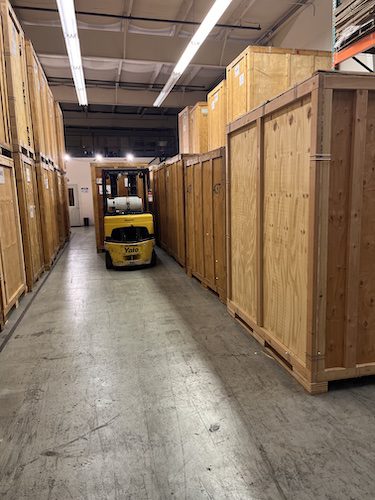
Housing inventory is the real gotcha. In any given week, Eugene typically has 250–400 homes on the market — a fraction of Portland’s volume. Faculty families moving from larger cities often end up renting for 6–12 months while they find the right buy. If that sounds like you, plan for short-term storage between the move-out date on your current home and your Eugene lease start. Cal’s Moving offers secure climate-controlled storage that we can hold for weeks or months while you house-hunt.
Compared to Portland, Eugene offers more square footage per dollar, shorter commutes, and easier school-district navigation. What you give up: fewer restaurant options, a smaller airport (EUG has limited direct flights — most travel still routes through PDX), and slower tech-sector growth. For academic and medical professionals whose jobs are anchored in Eugene anyway, the tradeoff usually works out.
Eugene Moving Tips That Will Save You Time
📅
Book Around the UO Calendar
Avoid September 15–25 and Oregon Duck home-football Saturdays. Book Cal’s at (541) 250-6324 4–8 weeks ahead for summer.
🏠
Know Your Street Access
South Hills homes often have narrow switchback driveways — a 26-foot truck won’t always fit. Fairmount streets have tight parking. Send us photos before move day.
📦
Donate Before You Pack
St. Vincent de Paul of Lane County runs the largest nonprofit moving-donation network in the state — schedule a pickup the week before your move.
Getting Oriented: Eugene Essentials
Eugene’s identity lives outdoors. Alton Baker Park and Pre’s Trail run along the north bank of the Willamette with easy access from most central neighborhoods. Hendricks Park’s rhododendron garden is a spring must-do for anyone new to the area. Spencer Butte offers the best sunset view in the Southern Willamette, and Mount Pisgah Arboretum east of town is the locals’ go-to for a two-hour weekend outing. Downtown anchors include the Fifth Street Public Market, the Saturday Market (running April through November), and the Hult Center for the Performing Arts. For coffee and work-from-home logistics, Wandering Goat and J-Tea are long-running favorites.
Eugene is bike-first in a way Portland isn’t — protected bike lanes run through most central neighborhoods and the riverside paths let you cross the metro without touching a major road. If you’re arriving from a car-dependent city, plan to own fewer vehicles than you thought. Many UO faculty households here keep one car and one cargo bike.
Weather: Eugene summers are warm and dry (highs 80–90°F June through early September), winters are mild and persistently drizzly (40–50°F, rain most days November through March). Valley fog can be intense in late fall and early winter. Wildfire smoke has become a real factor in August and early September — something out-of-state arrivals should know, especially if you have respiratory conditions. Factor this into your move-in date if possible.
Ready to Get a Real Quote for Your Eugene Move?
Call us at (541) 250-6324 or fill out our quote form — we’ll give you a real, honest number with no surprise fees on move day.