 Corvallis/Salem/Eugene: (541) 250-6324
 info@calsmovinghelp.com


Small interstate moves play by different rules than full-household relocations. A studio or 1-bedroom shipment is too small to economically fill a dedicated truck, which means your three real options are shared-load with a traditional mover, container freight (BlueBox), or a hybrid like rented cargo van plus shipping. The right choice depends on distance, budget, timeline flexibility, and how much hands-on work you want to do.
Cal’s Moving & Storage handles small interstate moves regularly — recent grads heading out of Eugene, professionals relocating from Portland to Seattle or Denver, retirees downsizing into a coastal one-bedroom. This guide lays out what each option actually costs in 2026, when each one wins, and the pitfalls to avoid.
Talk to a Pro!
Prefer to talk? Call (503) 746-7319 — we answer live during business hours.
★ 4.9 Google Rating · 2,300+ Reviews · BBB Accredited · USDOT Licensed · IOMI® Certified
Quick Facts: Small Interstate Moves in 2026
- What counts as small: Studio or 1-bedroom shipments, typically 1,500–3,500 lbs total weight
- Typical cost range: $1,200–$5,500 depending on distance and service type
- Best option under 800 miles: Often a rented cargo van or U-Haul pickup with help
- Best option 800–2,000 miles: Container freight (portable containers / BlueBox) or shared-load with a traditional mover
- Best option 2,000+ miles: Shared-load with a licensed interstate carrier almost always wins
What Counts as a Small Long-Distance Move?
Industry standard for “small” is anything under about 3,500 pounds — roughly the contents of a furnished studio or sparsely-furnished 1-bedroom. Concrete examples:
- Studio with basics: Bed, dresser, desk, sofa, kitchen kit, 15–25 boxes → ~1,500–2,200 lbs
- 1-bedroom apartment: Queen bed, dresser, sofa, dining set, TV, 25–40 boxes → ~2,500–3,500 lbs
- “Just my stuff” downsize: Single person leaving a shared home, no furniture, 15–25 boxes plus a few pieces → ~800–1,500 lbs
If you’re not sure where you fall, count the boxes you’ll have plus list large furniture items. Most movers offer free virtual surveys that nail down the weight.
How Much Does a Small Long-Distance Move Cost?
Pricing varies dramatically by service type. Typical 2026 ranges for a studio or 1-bedroom load:
| Service type | 500–1,000 miles | 1,000–2,000 miles | 2,000+ miles |
|---|---|---|---|
| Shared-load with licensed mover | $1,400–$2,400 | $2,000–$3,500 | $2,800–$5,500 |
| Container freight (BlueBox) | $1,200–$2,200 | $1,800–$3,200 | $2,400–$4,800 |
| Cargo van rental + DIY drive | $700–$1,300 | $1,400–$2,200 | $2,400–$3,800 |
| Freight shipping (Greyhound / Amtrak) | $400–$800 | $700–$1,400 | $1,200–$2,200 |
DIY van numbers include vehicle rental, fuel, one or two nights of hotels, and minimum loading help. Freight shipping numbers assume you handle pickup and delivery yourself. For the full pricing breakdown across all home sizes, see our Long Distance Moving Cost guide.
Your Three Real Options for a Small Interstate Move
Option 1: Shared-load with a traditional licensed mover. Your shipment rides on a truck alongside other small loads heading the same general direction. You get binding pricing, professional loading and delivery, and federal interstate protections (claims process, weight-based billing, valuation coverage options). Trade-off: delivery windows are 5–14 days, not date-specific.
Option 2: Container freight (BlueBox). A container is dropped at your origin. You load it (or hire local labor to load it). The company hauls it to the destination. You unload at the new place. Pricing is competitive with shared-load, and you get more flexibility on timing — the container can sit in your driveway for days while you load. Downside: you handle the labor on both ends.
Option 3: DIY cargo van or rental truck. You rent a Sprinter van or a 10–15 ft U-Haul, you load it, you drive it. Cheapest on shorter routes (under 1,000 miles), starts losing its edge once you factor in lodging and your time on longer routes. Skip this if you don’t want to drive long distances solo.
For a head-to-head DIY-vs-pro analysis, see our DIY vs Professional comparison.
Pro Tip: For Truly Tiny Moves, Ship Boxes Separately
If you’re moving with no furniture and under 20 boxes — common for grad students, first jobs, or downsizes — consider shipping boxes via UPS, FedEx Ground, or USPS Media Mail (for books) and flying with the rest. For a 15-box, 400-lb move, this can total $400–$700 cross-country — cheaper than any moving service. The trade-off is no furniture in transit, but if you’re going furnished-to-furnished, this can be the right answer.
When Each Option Wins
Choose shared-load with a licensed mover when:
- You don’t want to handle loading or driving
- Your shipment is over 1,500 lbs
- You’re moving 1,500+ miles
- You want the federal interstate protections (binding pricing, claims process, valuation coverage)
- You’re moving expensive or fragile items that need professional packing
Choose container freight (portable containers / BlueBox) when:
- You’re willing to load and unload yourself (or hire local labor)
- You need flexibility on loading and unloading timing
- Your shipment is between 1,000 and 3,500 lbs
- You have driveway or street access for the container
- You’re comfortable with a slightly longer total transit time
Choose DIY cargo van when:
- You’re moving under 800 miles
- Your shipment fits in a Sprinter van or a 10–15 ft truck
- You have help for loading and at least one day off either side
- You’re comfortable driving a moving truck on highways
- Saving $500–$1,500 is worth a long, tiring day
Choose freight shipping (Greyhound, Amtrak Express) when:
- You have no furniture, just boxes
- You can drop off and pick up at terminals
- Cheapest possible price matters more than convenience
- Your timeline is flexible (often 7–14 days)
How to Vet a Mover for a Small Interstate Job
Small loads attract bad actors because the customer often shops on price alone. The vetting checklist is the same as for full moves — just don’t skip it because the job is small.
- USDOT and MC numbers verifiable at the FMCSA Mover Search tool
- Binding estimate based on a virtual or in-home survey — not a phone-only quote
- Carrier vs broker disclosure — brokers sell your load to the lowest bidder; carriers run their own trucks
- Reasonable deposit (10–25% maximum) — never full prepayment
- Clear delivery window in writing — shared-load is windowed, but the window should be defined
- Valuation coverage options explained — default is 60 cents per pound, almost always inadequate
For the full mover-vetting playbook, see How to Choose a Long Distance Mover.
How to Pack Efficiently for a Small Move
When weight drives price and you’re shipping a small amount, every pound matters more proportionally. Practical tips:
- Use small and medium boxes only. Large boxes get heavy fast and are harder to handle in shared-load environments.
- Fill empty space inside furniture. Dressers, ottomans with storage, suitcases, and rolling bags can all hold contents during transit. Free volume.
- Sell or donate furniture you can replace cheaply. A $200 IKEA dresser shipped 2,000 miles costs more to move than to replace. Run the math before paying to ship anything under $500 in value.
- Use sealed containers (plastic totes) for shared-load shipments — they handle tighter quarters better than cardboard.
- Number every box against an inventory list. Shared-load shipments share trucks with strangers’ loads — numbered inventory is your insurance against missing items.
- Pack a separate “essentials” box that flies or rides with you, not the shipment. Phone charger, change of clothes, toiletries, important docs, and any meds.
Common Small-Move Mistakes
Assuming the cheapest is the best deal. Lowball quotes for small loads are how hostage-load scams start — a low price quoted, then massive “additional weight” charges to release belongings at delivery. Get binding estimates with weight included.
Booking too late. Shared-load moves run on consolidated routes, which only fill up so often. 4–6 weeks of lead time is ideal for small loads — less and you may wait two extra weeks for a truck.
Not weighing the option to ship boxes separately. Under 20 boxes and no furniture? UPS Ground or FedEx might beat any moving service.
Skipping valuation coverage because the load is “small.” Federal default still applies. A laptop weighs 5 lbs and is covered for $3 under default. If you’re shipping electronics, art, or anything fragile, upgrade to full value protection — see our Moving Insurance Guide.
Renting a truck that’s too big. Cargo vans and Sprinter-class vehicles drive almost like cars. 26-foot box trucks require a different mindset, real attention to mirrors and clearances, and can’t go many places. For a small load, smaller is almost always better.
Frequently Asked Questions
Is shared-load safe for small moves?
Yes, with a licensed interstate carrier. Your shipment is inventoried and tagged separately, rides in dedicated space on the truck, and is unloaded only at your destination. Pick a quality carrier and you have the same protections as a dedicated-truck move.
How long does a shared-load delivery actually take?
Typically 5–14 business days from pickup to delivery, depending on the route and how quickly the truck fills. Always get a defined delivery window in writing before booking.
Can I move a studio with BlueBox or portable containers?
Yes — both are excellent fits for studio loads. BlueBox uses a trailer that gets dropped at your home; portable containers uses a steel container. Both let you load on your own schedule and pay only for the linear feet you use.
What’s the cheapest way to move a small load cross-country?
For under 20 boxes with no furniture, shipping boxes via UPS or USPS plus flying yourself is often the cheapest. For furnished moves, container freight (portable containers / BlueBox) usually beats shared-load on price by 10–20%.
Do I need professional packing for a small move?
Not for most studios and 1-bedrooms — the cost rarely justifies it at this volume. Buy professional-quality boxes and tape, watch a few packing tutorial videos, and DIY. The exception is high-value or fragile items (electronics, art, instruments).
How far in advance should I book a small interstate move?
4–6 weeks for shared-load moves; 2–3 weeks for container freight; 1–2 weeks for DIY rental trucks. Less lead time often means worse pricing or no availability on shared-load.
Will a mover handle my shipment carefully if it’s small?
A reputable carrier treats small loads with the same protocols as large ones — same packing standards, same inventory tagging, same claims process. Disreputable movers cut corners on small loads because the customer is less likely to push back.
Can I combine my small move with a friend’s small move heading the same direction?
Informally, yes — you and a friend can pool a BlueBox trailer and split the cost. With a traditional carrier this is harder because of contract and liability complications, but ask the mover — some will price it.
Ready to Move Your Small Load?
Cal’s Moving & Storage handles small interstate moves with the same care and protections as full-house relocations. Whether you need a shared-load shipment with a binding price or guidance on whether DIY makes more sense for your specific move, we’ll give you straight answers and a real quote.
Call us at (503) 746-7319 for Portland Metro or (541) 250-6324 for Salem, Corvallis, and Eugene. Or request your free small-move estimate using the form below.
Quick Quote
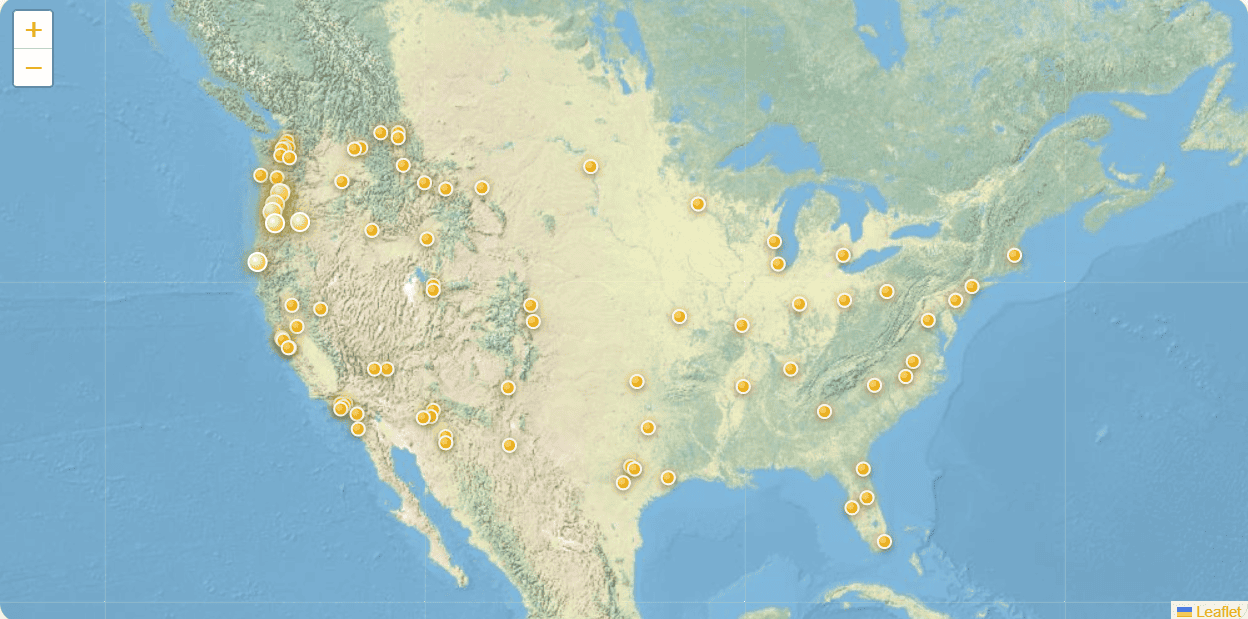
Where We’ve Moved Oregonians
Over 500 interstate moves completed
From next door to across the country — Cal’s has you covered.
Trusted, Licensed, and Loved by Oregonians
★ 4.9 GoogleBBB Accredited A+USDOT LicensedIOMI® CertifiedOregon CCB2,300+ Reviews
Services We Offer
Local Moving
Hourly, in-state moves done by Oregonians who know the territory.
Long-Distance Moving
Fully licensed interstate carrier with binding estimates and dedicated trucks.
Commercial Moving
IOMI®-certified office, lab, and facility moves with minimal downtime.
Storage
Climate-controlled warehouse storage including storage-in-transit on long moves.