 Corvallis/Salem/Eugene: (541) 250-6324
 info@calsmovinghelp.com


If you’re hiring a moving company in Oregon this year, the rules just changed — and they changed in a way that’s good for you. As of January 1, 2026, Senate Bill 839 tripled the civil penalty for unlicensed moving activity in Oregon, raising fines from $1,000 to $3,000 per violation and giving the Oregon Department of Transportation (ODOT) sharper tools to crack down on rogue movers. For Oregon families and businesses, the takeaway is simple: verifying your mover’s ODOT certification has never mattered more. Here’s what the new law means, how to check a mover before you sign anything, and how Cal’s Moving & Storage fits into the picture as a fully authorized Oregon carrier.
📋 Quick Facts: Oregon Moving Laws in 2026
| Detail | What to Know |
|---|---|
| New Law | Senate Bill 839 (effective Jan 1, 2026) |
| Civil Penalty | $3,000 per violation (up from $1,000) |
| Regulator | ODOT Commerce and Compliance Division |
| Required for In-State | Oregon household goods certificate |
| Required for Interstate | USDOT number + FMCSA registration |
| Cal’s Moving Status | Certified Oregon carrier since 2018 |
| Free Estimate | Cal’s Moving — (503) 746-7319 |
What Changed on January 1, 2026
Senate Bill 839, passed by the Oregon Legislature in 2025, expanded ODOT’s authority over household goods movers and took effect at the start of 2026. Three practical changes stand out. First, the civil penalty for advertising, offering, or completing a household goods move in Oregon without an ODOT certificate jumped from $1,000 to $3,000 per violation. Second, the penalty now applies not only to completed illegal moves but also to advertising or offering an unlicensed move — meaning a fly-by-night operation can be cited the moment it posts an ad on Craigslist or Facebook Marketplace. Third, the Commerce and Compliance Division updated its administrative rules to streamline enforcement and clarify record-keeping requirements for certified carriers.
ODOT has signaled it expects more enforcement activity in 2026, not less. Joint operations with local police and partner agencies have already cited unlicensed moving operations in Newport, Salem, and other Oregon communities in the past year. The agency’s focus is consumer protection: when a move is done by an unlicensed operator, there’s no guaranteed insurance, no tariff on file, no bond backing your belongings, and often no clear way to file a claim if something is damaged or stolen.
Why the Law Targets Unlicensed Household Goods Movers
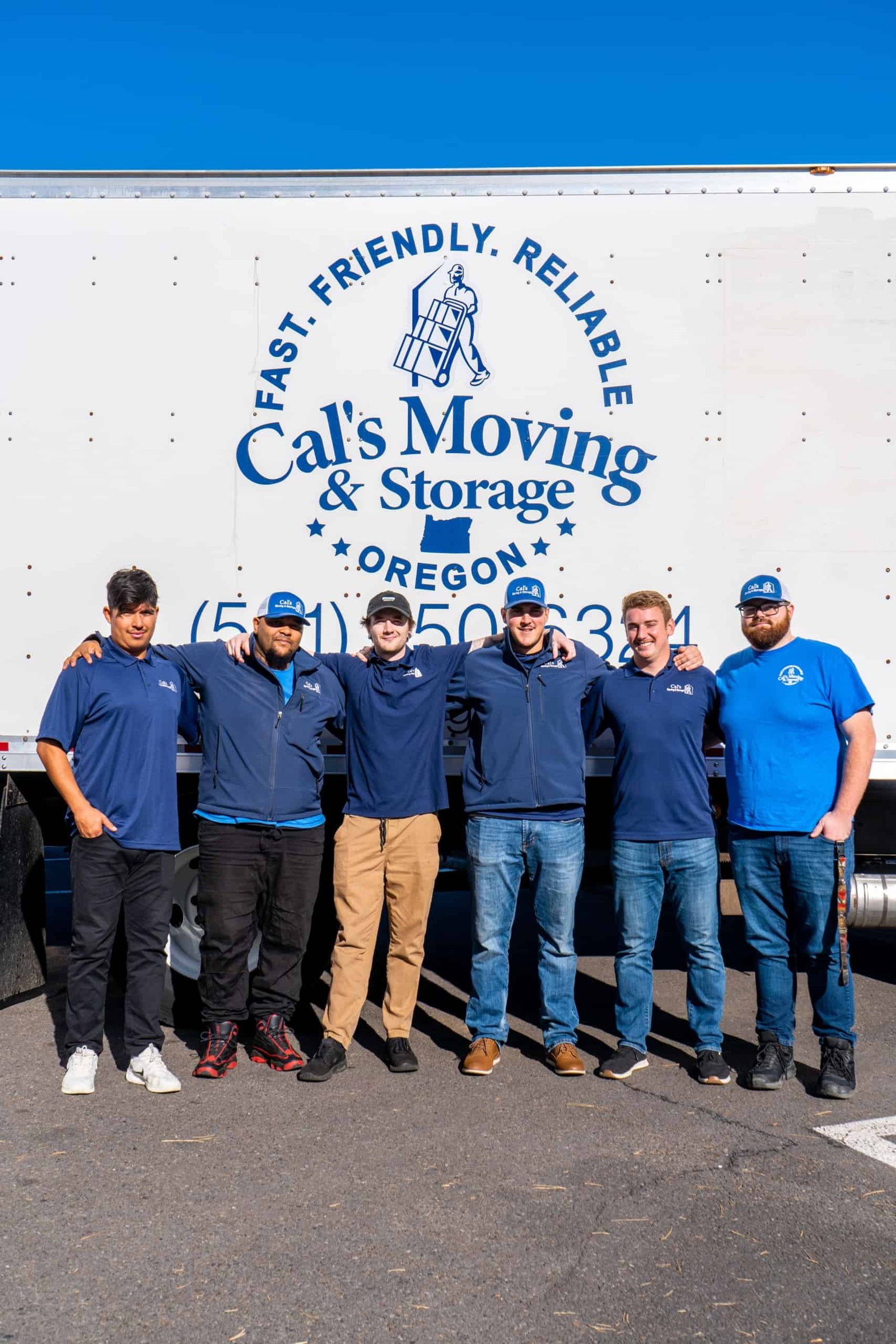
To become a certified Oregon household goods mover, a company must prove it is, in ODOT’s words, “fit, able, and willing” to provide the service. That means a real application, a highway use tax payment and audit history, a bond and insurance filing, a criminal background check, and a clean safety record. Certified carriers are required to carry cargo liability insurance that covers your belongings while in transit, publish a tariff (the rate schedule) that governs what they can charge, and follow rules about written estimates, bills of lading, and final invoicing.
Unlicensed movers skip all of that. They often charge cash-only deposits, refuse to provide a written estimate, show up with unmarked trucks, and can hold belongings hostage for a higher price at the destination — a scam pattern ODOT has documented repeatedly across Oregon. The 2026 penalty bump exists specifically to make this calculus less profitable for bad actors.
How to Verify a Moving Company Is Licensed in Oregon
The good news is verification is fast and free. Here’s a short checklist we recommend to every customer before they hire anyone — including us.
🔢
Ask for the Certificate Number
A legitimate Oregon mover will hand it over without hesitation. If they hedge, end the conversation.
✅
Verify on ODOT’s Site
The Commerce and Compliance Division publishes the live certified-carrier list. Cross-reference the number directly.
📝
Get It in Writing
Oregon law requires certified movers to provide a written estimate. A phone-only quote is a red flag.
Two more checks worth doing. Ask for a Certificate of Insurance — not a verbal assurance — and read recent reviews on Google Business Profile and the BBB. Look for patterns rather than single complaints. The whole verification process takes about five minutes and gives you real leverage if something goes wrong with a certified mover, plus a much harder path to recovery if you hire an unlicensed one.
💡 Pro Tip: If a mover quotes a price hundreds of dollars below other licensed Oregon carriers, that’s not a deal — it’s almost always an unlicensed operator or a hostage-load scam in disguise. Real Oregon-certified carriers operate under a published tariff and can’t legally undercut it. Call Cal’s Moving at (503) 746-7319 for a written, certified estimate you can compare against any other quote.
Red Flags That a Mover May Be Unlicensed
Scams tend to follow a pattern. A too-good-to-be-true quote over the phone — often hundreds of dollars below what a licensed Oregon mover can legally charge — is the first warning sign. Unmarked trucks, no written contract, an address that’s just a residence or a UPS Store box, large cash deposits before work begins, and a business that only communicates through an unlisted cell phone are all classic indicators. If someone advertises Oregon-to-Oregon moves but can’t produce an Oregon household goods certificate, under the 2026 rules they are on the hook for a $3,000 fine per citation — and you may be on the hook for damaged or missing belongings with no real recourse.
Another emerging pattern: third-party booking platforms or brokers who take your deposit, then subcontract the actual move to whichever crew is cheapest that day. Brokers aren’t always illegal, but they are required to be registered and transparent. If the brand name on your estimate doesn’t match the name on the truck that shows up at your door, ask questions before anything gets loaded.
What Compliance Looks Like at Cal’s Moving & Storage
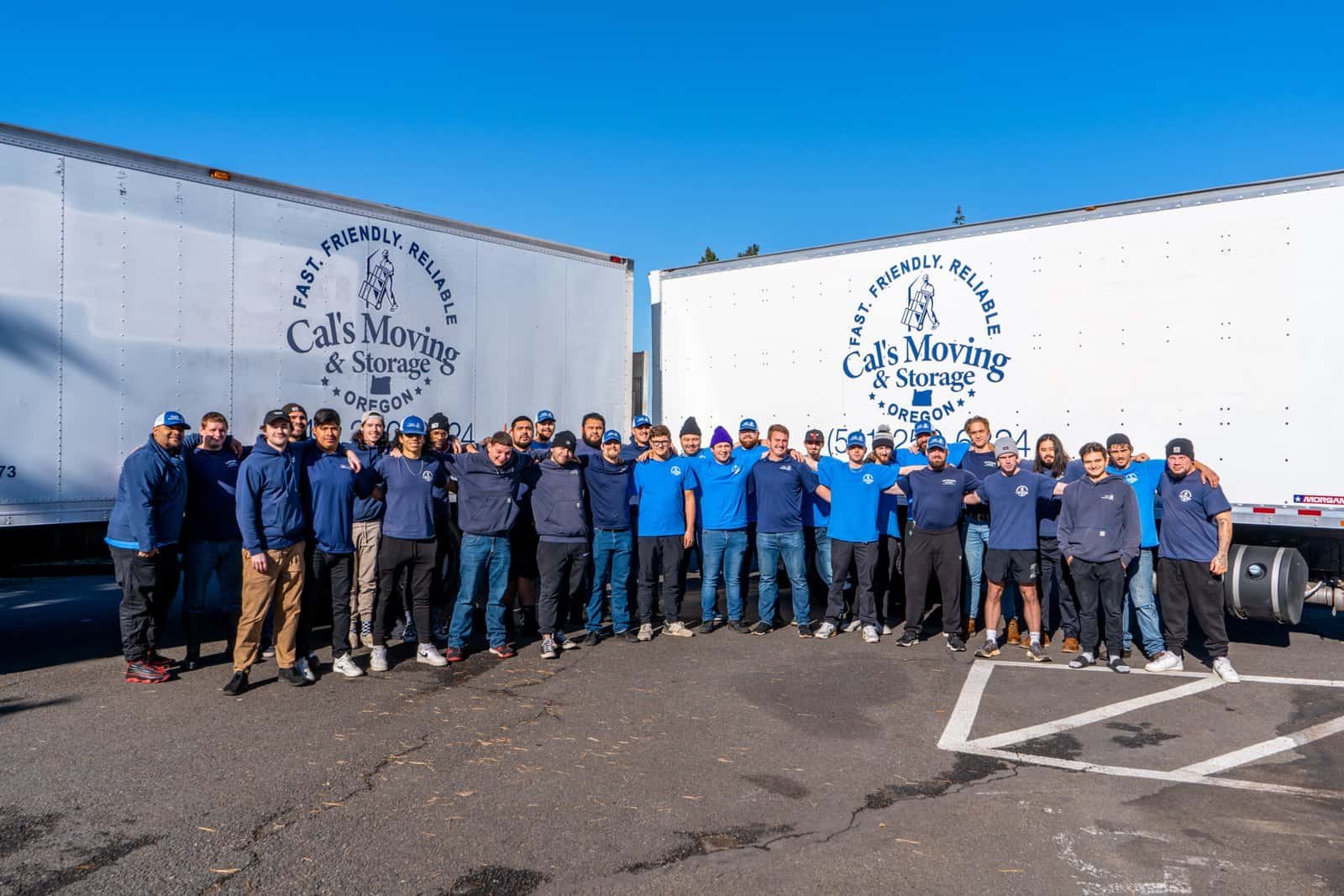
Cal’s Moving & Storage has been a certified Oregon household goods carrier since 2018. Whether you book us through our local moving service for an in-town job in Salem or Portland, or through our long-distance moving service for a bigger relocation, you’re hiring a single licensed operation — not a broker, not a marketing front, not a subcontractor pool. For interstate moves that cross state lines, we also operate under a USDOT number and comply with federal Household Goods regulations in addition to Oregon’s rules.
For commercial clients — law firms, medical offices, tech companies, and Oregon State University departments — our office movers service follows the same licensed framework, with additional Certificates of Insurance issued directly to property managers and building owners as needed. If you need short-term or long-term storage during a move, our residential storage program uses secured, climate-appropriate facilities under the same licensed operation.
Where the New Rules Hit Hardest: Portland, Salem, Corvallis & the Willamette Valley
The cities with the most inbound and outbound moves in Oregon — Portland and its metro suburbs, Salem, and the Eugene-Springfield-Corvallis corridor — are also where unlicensed operators have historically been most active. Cal’s serves all of them. In the Portland metro, we cover Portland, Beaverton, Hillsboro, Tigard, and Lake Oswego. In the mid-valley, we run out of our Corvallis base into Salem, Albany, Lebanon, Eugene, and Springfield. All of it is covered under the same Oregon household goods certificate.
Frequently Asked Questions
How do I check if a moving company is licensed in Oregon?
Ask the company for its Oregon household goods certificate number, then cross-reference it with the ODOT Commerce and Compliance Division’s certified-carrier list. A legitimate Oregon mover will provide the number without hesitation. For interstate moves, also ask for the USDOT number and verify it on the FMCSA site.
What is the penalty for hiring an unlicensed mover in Oregon?
The penalty falls on the mover, not the consumer — $3,000 per violation under the rules that took effect January 1, 2026. But consumers pay in other ways: lost or damaged belongings, no recourse through ODOT’s complaint process, and no enforceable written contract. The safest move is to avoid unlicensed operators entirely.
Are interstate moves covered by Oregon’s certificate rules?
Oregon’s certification rules cover in-state household goods moves. Interstate moves are governed primarily by the Federal Motor Carrier Safety Administration (FMCSA) and require a USDOT number. A good Oregon mover will be certified for in-state work and hold a USDOT number for long-distance jobs — Cal’s carries both.
Moving Soon? Talk to a Licensed Oregon Crew
Whether you’re moving across Portland or across Oregon, the new 2026 rules make one thing clearer than ever: licensing matters. Cal’s Moving & Storage has been a certified Oregon carrier since 2018 — and we’re ready to show you the paperwork. Call (503) 746-7319 for a free estimate, or request a quote online.